




Emojis are small graphic symbols used to express emotions, actions, or objects in digital communications. They appeared in Japan in the late 1990s and quickly gained popularity worldwide. The word "emoji" comes from the Japanese "e" (絵), meaning picture, and "moji" (文字), meaning symbol or character.
Emoji vs. Emojis: which is correct?
It is worth noting that both variants of spelling can be found in the Ukrainian language: "emoji" and "emojis." Both are correct, but "emoji" is used more frequently. This word has become so familiar to us that we don't even think about its origin.
What does a smiley mean?
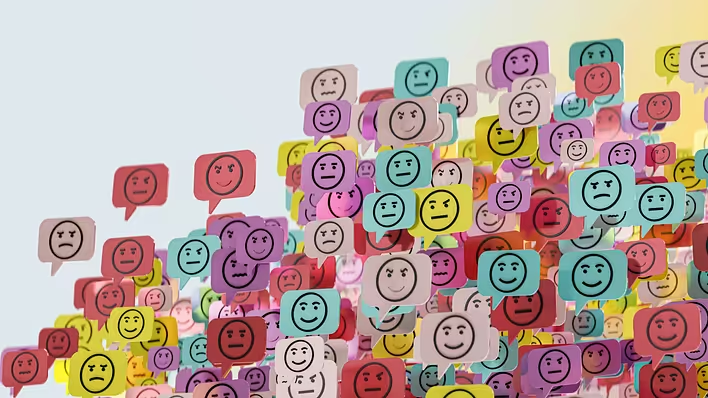
A smiley is one of the most well-known types of emojis. It depicts a face with various expressions: from a smile to tears. Smileys help convey emotions without unnecessary words. For example:
- 😊 – smile,
- 😢 – tears,
- 😜 – wink.
Smileys have become so popular that they even have their own day on the calendar – July 17 is celebrated as World Emoji Day!
Why are emojis so popular?
- Universality: Emojis are understood by people of different cultures and languages. They do not require translation.
- Emotionality: They add emotional color to text, making it more lively.
- Convenience: It is easier to put one emoji than to write a long explanation.
- Creativity: With their help, you can create entire stories or puzzles.
How to use emojis correctly?
If you want to become a master of using emojis, here are some tips:
- Know the limit: Don't overload the text with emojis – this can confuse the interlocutor.
- Context relevance: Use emojis that correspond to the topic of conversation.
- Cultural nuances: Remember the differences in the perception of symbols in different cultures.
Interesting facts about emojis
- The first set of emojis consisted of only 176 characters.
- In 2015, Oxford Dictionaries chose "😂" (face with tears of joy) as the word of the year.
- There are now over 3000 different emojis.
What is emoji in the modern world?
In the modern world, emojis have become an integral part of our communication in messengers and social networks. They not only help express emotions but also shape a new culture of communication. With their help, memes, marketing campaigns, and even artistic projects can be created.
Emojis are more than just symbols; they have become the language of a new generation. Thanks to their universality and emotionality, they bring people closer together around the world. So the next time you add a smiley to your message, remember: there is a whole world of meanings and possibilities behind it!