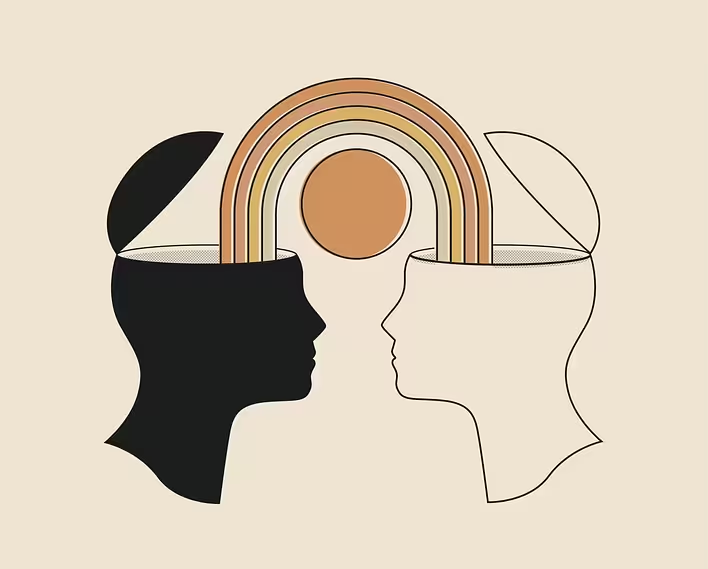




A paradigm is not just a complicated word from a textbook. It is a way in which we look at the world, a set of beliefs and values that shape our perception of reality. Imagine that a paradigm is like glasses or a frame through which we see everything around us. When we change these glasses, our entire world changes.
How does a paradigm affect our lives?
Paradigms are not just abstract concepts; they permeate every aspect of our everyday lives. They shape our thoughts, decisions, even how we interact with others.
-
Work: If you believe that work is just a means to earn money, you will focus on finding the most profitable offer. However, if for you work is a way of self-fulfillment, you will seek what brings pleasure and meaning.
-
Relationships: Imagine a person who believes that no one can be trusted. Their paradigm causes them to behave cautiously, and sometimes even distantly. Conversely, if you believe that trust is the foundation of relationships, it opens the way to deeper connections.
Where do paradigms come from?
Our views are the result of years of experience, education, and influences from the surrounding world:
- Family: The first beliefs are instilled in childhood.
- Education: School, university, courses shape our understanding of the world.
- Culture: Traditions, norms, and values of society leave a deep mark.
- Personal experience: What we have experienced changes our views and beliefs.
How to change a paradigm?
Sometimes our “glasses” begin to obscure reality or simply hinder us from moving forward. Here are a few ways to replace them:
- Self-analysis: Ask yourself — why do I think this way? Does it help me?
- Learning: Read, listen, discover new ideas.
- Communication: Meet different people and their views of the world.
- Experiments: Try new things, step outside your comfort zone.
Examples of paradigm shifts
History is full of examples where a paradigm shift led to revolutionary discoveries:
- Science: From the geocentric model (Earth as the center of the Universe) to the heliocentric model (Sun as the center) — this changed our understanding of the cosmos.
- Technology: The advent of the internet fundamentally changed the way we communicate, work, and live.
Why is it important to know your paradigms?
Understanding your paradigms helps you become more aware of why you think and act the way you do. It opens the way to greater flexibility, acceptance of new ideas, and conflict resolution. Personal development and success often begin with the willingness to look at the world from a different angle.
Conclusion
If you have ever felt stuck in certain thoughts or habits, it may be time to reconsider your paradigms. The world is changing — and we can change along with it. Remember: everything starts with you and your desire to see the world anew.