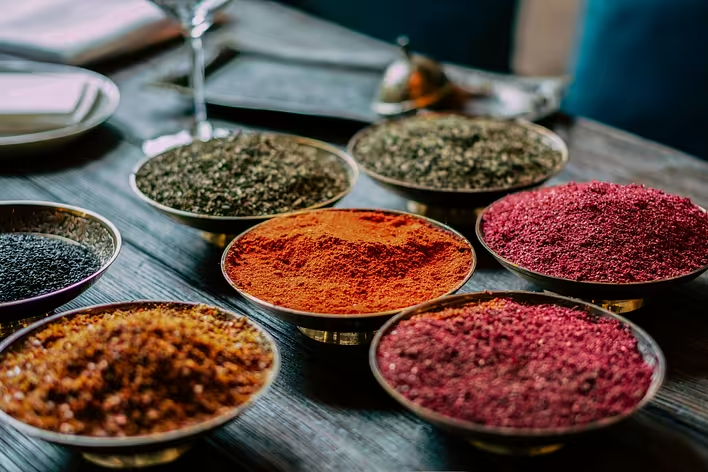
Sumac is a spice with a bright tangy flavor and a deep reddish-burgundy color. It looks like coarse powder or small flakes and is often associated with lemon, cranberry, or pomegranate in taste. However, sumac is not a citrus and is unrelated to dried zest. It is made from the fruits of plants in the genus Rhus - shrubs or small trees from the cashew family, which also includes cashews, pistachios, and mangoes.
In cooking, sumac is valued for adding acidity to dishes without excess liquid. Where lemon juice might soak a salad, marinade, or crispy bread, sumac works more delicately: it provides freshness, a slight tartness, and a beautiful color. This is why this spice has become so well-established in the cuisines of the Middle East, Mediterranean, Caucasus, and Western Asia.
What is sumac
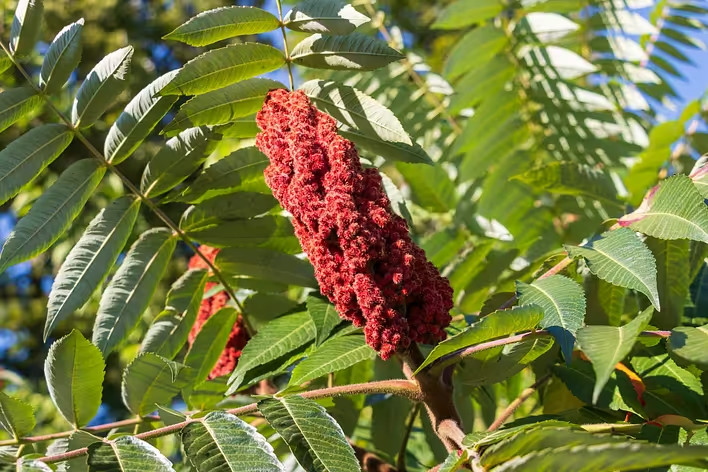
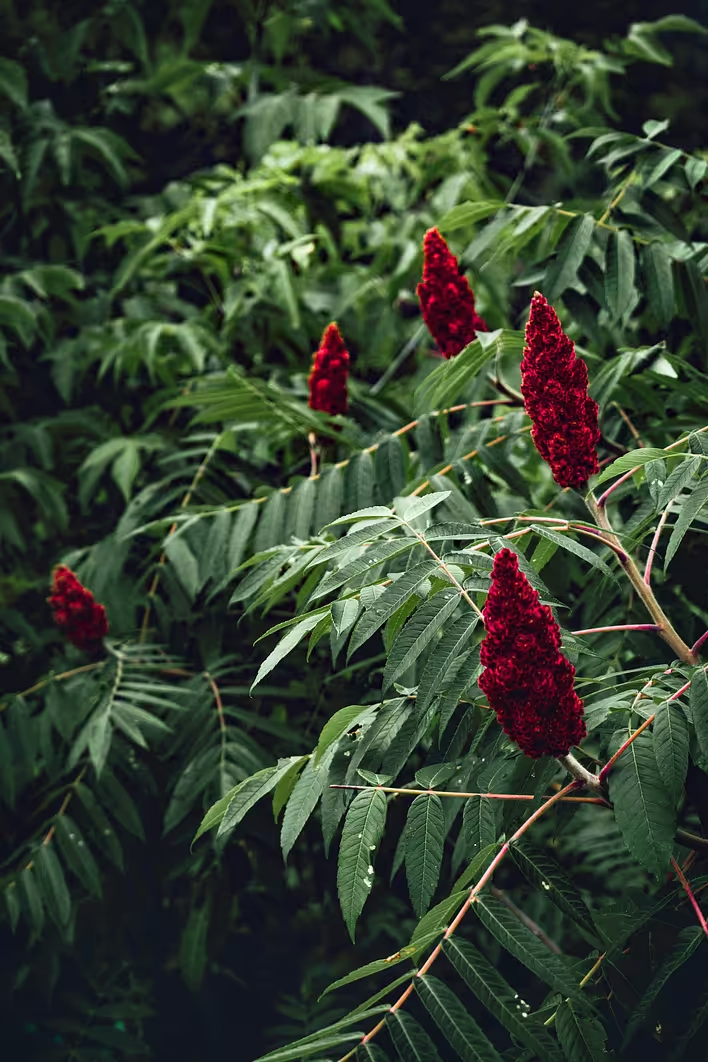
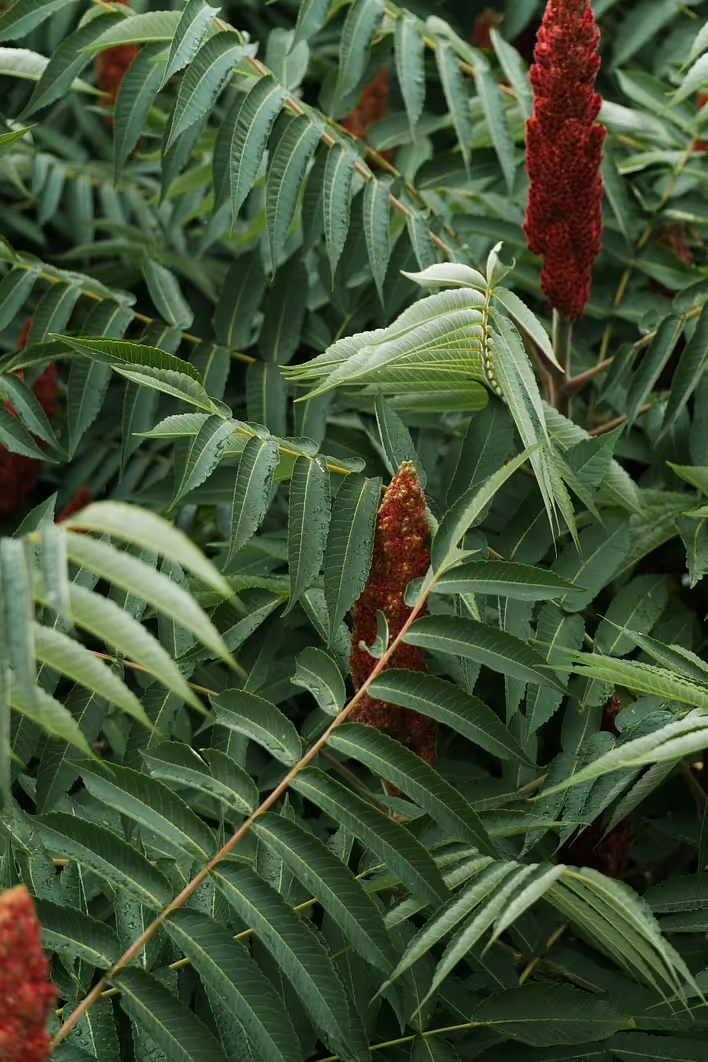
The word "sumac" refers both to the plant itself and the spice derived from it. In botany, sumacs are primarily shrubs or small trees. Depending on the species, they can grow from a few meters to about ten meters tall. They often have compound leaves, small flowers grouped in dense inflorescences, and noticeable clusters of reddish fruits.
The spice is most commonly made from the fruits of the species Rhus coriaria, known as Sicilian or tannin sumac. It grows in the Mediterranean, Western Asia, and the Middle East. Its fruits are small drupes, meaning fleshy fruits with a hard pit inside. When they ripen, they are harvested, dried, and crushed. It is from these tangy fruits that the familiar red powder comes.
The sour taste of sumac is associated with natural organic acids, particularly citric acid. Therefore, the spice does not just "remind of lemon," but actually has a distinct natural acidity. At the same time, its flavor is softer and warmer than lemon: it has a fruity tartness, a slight earthiness, and a dry berry note.
What sumac trees and shrubs look like
Sumacs are often recognized by their decorative appearance. They are plants with a sprawling crown, long leaves, and dense vertical clusters of fruits. In many species, the leaves turn bright red, orange, or purple in autumn, which is why sumac is grown not only as a useful but also as an ornamental plant.
The fruits of sumac are usually gathered at the ends of branches in dense panicles or conical clusters. It is these red fruit clusters that are dried for culinary use. In some species, the fruits are covered with tiny hairs that help retain the acidic substances on the surface.
It is important not to confuse culinary sumac with so-called poison sumac. Poison sumac belongs to a different genus - Toxicodendron, not to the culinary species Rhus. It can cause severe allergic reactions and is not used as a spice. Culinary sumac usually comes from edible species with red fruits, while poison sumac has lighter, whitish fruits. It is not advisable to collect wild plants for spices without precise knowledge of the species.
How the spice is made
The process of making sumac is quite simple, but the quality of the spice heavily depends on the raw materials. Ripe fruits are harvested, dried, and then crushed along with the husk. Good sumac should have a rich color - from dark red to burgundy or purple-red. The aroma is usually mild, fruity-tart, without sharp pungency.
Sometimes sumac sold contains added salt. This is not always bad: in some regions, such a mixture is common. However, if the spice is needed for precise flavor control, it is better to choose pure ground sumac without additives. An overly bright unnatural color or predominantly salty taste may indicate low quality or excessive additives.
Sumac is best stored in a tightly closed jar, in a dark and dry place. Like most ground spices, it gradually loses its aroma. It is best to use it within a few months after opening while the flavor remains pronounced.
In which cuisines it is used
Sumac is most associated with Middle Eastern cuisine. It is used in Lebanon, Syria, Palestine, Jordan, Turkey, Iran, and other countries in the region. There, it is not an exotic garnish but a familiar everyday spice: it is added to salads, meats, legumes, bread, yogurt sauces, and snacks.
One of the most famous dishes with sumac is fattoush, a salad of vegetables, greens, and toasted or fried bread. It is sumac that gives it its characteristic tanginess and makes the flavor more vibrant. Sumac is also often sprinkled on hummus, labneh, falafel, kebabs, roasted chicken, fish, rice, and eggs.
In Levantine cuisine, sumac is part of za'atar - a popular spice blend with herbs, sesame, and salt. Za'atar is eaten with bread and olive oil, sprinkled on cheese, vegetables, meat, or pastries. It is sumac that gives this mixture its recognizable sour note.
In Turkish cuisine, sumac is often served with onions: thinly sliced red onion is mixed with sumac, parsley, and salt, and then served with shish kebabs, kebabs, or roasted meat. The acidity of the spice softens the sharpness of the onion and balances rich dishes well.
In Caucasian cuisines, sumac is used as a seasoning for meat, poultry, fish, vegetables, and legumes. It works particularly well where a sour accent is needed without vinegar: in marinades, sauces, salads, and grilled dishes.
Why add sumac to dishes
The main role of sumac is to add acidity and freshness. It helps balance fatty meats, fried dishes, thick legume pastes, creamy or yogurt sauces. If a dish seems heavy or bland, a pinch of sumac can brighten it up.
Sumac pairs well with chicken, lamb, beef, fish, eggplants, tomatoes, cucumbers, onions, chickpeas, lentils, rice, eggs, and soft cheeses. It can be added to marinades, but very often it works best at the end: as a final sprinkle before serving. This way, the flavor remains fresh, and the color noticeable.
This spice is not hot, so it can be used more generously than chili pepper. But it is important to remember about acidity: too much sumac can make a dish too tart. It is best to start with half a teaspoon and add more to taste.
How it differs from lemon and vinegar
Sumac is often called "dry lemon," but this is only an approximate comparison. Lemon provides a juicy, sharp, and very fresh acidity. Vinegar - a sharper and sometimes more aggressive one. Sumac acts more gently: it adds a tang but does not change the texture of the dish and does not drown it in liquid.
This is why sumac is convenient for salads, bread, grilled meats, roasted vegetables, and dishes where excess moisture is unwelcome. It also works well in dry spice blends, where lemon juice simply cannot be used.
How to use sumac at home
The simplest way to get acquainted with sumac is to sprinkle it on a salad of tomatoes, cucumbers, onions, and greens. Add olive oil, salt, a bit of pepper - and the dish will immediately feel closer to Middle Eastern cuisine. Another easy option is to mix sumac with natural yogurt, salt, and garlic: it will make a quick sauce for vegetables, chicken, or flatbreads.
Sumac is great to add to roasted potatoes, hummus, scrambled eggs, fried fish, chicken thighs, chickpea salad, or simply to thinly sliced onions. If mixed with sesame, dried thyme, or oregano and a pinch of salt, you can make a homemade version of za'atar.
Sumac is one of those spices that do not overpower a dish but rather enhance its flavor. It does not add heat and does not require complicated recipes. Its strength lies elsewhere: it makes food fresher, deeper, and a bit brighter.
This spice has a long history, a botanically interesting plant, and a very practical culinary character. It feels equally at home in a bowl of hummus, on a piece of hot meat, in a vegetable salad, or in a simple yogurt sauce. If your kitchen lacks a sour accent but you don’t want to slice a lemon every time, sumac might just be that little jar your hand reaches for most often.