If the kitchen is a language, then West Africa speaks in dialects of rich spices, thick textures, and the aromas of palm oil. At the center of this culinary universe stand two titans — egusi soup and okra soup. These are not just first courses in our understanding; they are thick, nourishing substances that accompany a person from birth to old age, uniting entire communities around a common pot.
Egusi Soup
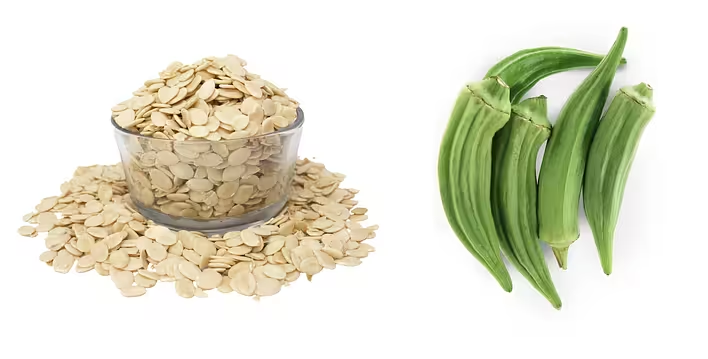
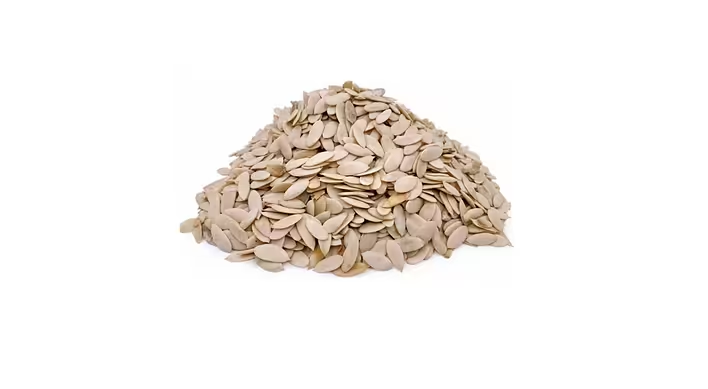
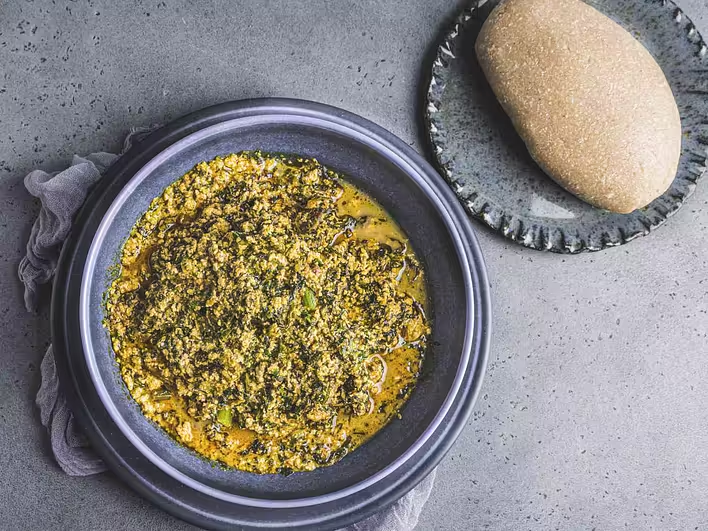
Egusi (or egusi) is the heart of Nigerian cuisine. Many mistakenly believe that the base of this soup (Egusi Soup) is nuts; however, the secret lies in the seeds of special types of wild melons and watermelons, which have white flesh and are inedible in their raw form. It is their seeds, dried and ground into powder, that become the base for one of the most talked-about soups in the world.
Preparing egusi is a true ritual. The seeds are ground into a paste, which is then added to hot palm oil. Under the influence of heat, the proteins coagulate, creating a unique texture reminiscent of soft cottage cheese or a delicate omelet. Dried fish, shrimp, beef, or goat meat are added to the soup, along with a generous portion of greens — spinach leaves or a specific "bitter herb." Each spoonful of such soup is an explosion of flavor: smoky notes of fish, the sweetness of oil, and the nutty softness of the seeds.
егузі
Егузі суп
Okra Soup
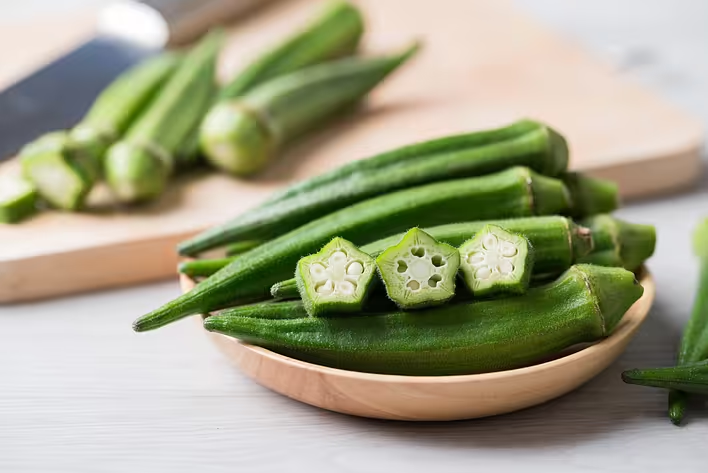
For Europeans, okra (or okro) often poses a challenge due to its slimy texture. However, in Africa, this very property — the ability to become "slimy" — is a sign of the dish's higher quality. Okra soup (Okro Soup) is valued for its lightness and its ability to help the main side dish — fufu or yam — literally "slide" down.
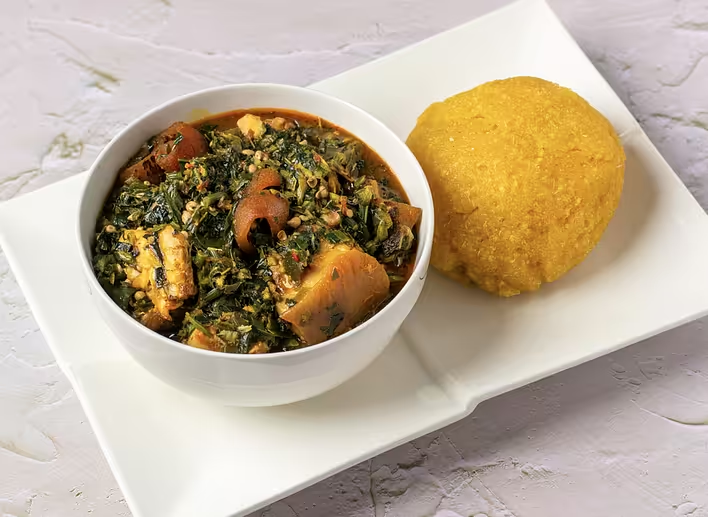
The secret to perfect okra lies in the speed of preparation and the proper cutting. The pods are finely chopped or grated to release their natural pectins. In the African interpretation, okra soup is a true seafood feast. In the pot, you can often find whole crabs, large shrimp, and smoked mackerel. It is a vibrant, green, and incredibly spicy dish that energizes and provides a feeling of fullness throughout the day.
бамбія
Суп з бамії з куркою
Fufu Etiquette: Why the Spoon is Unnecessary?
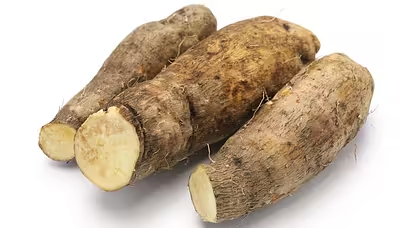
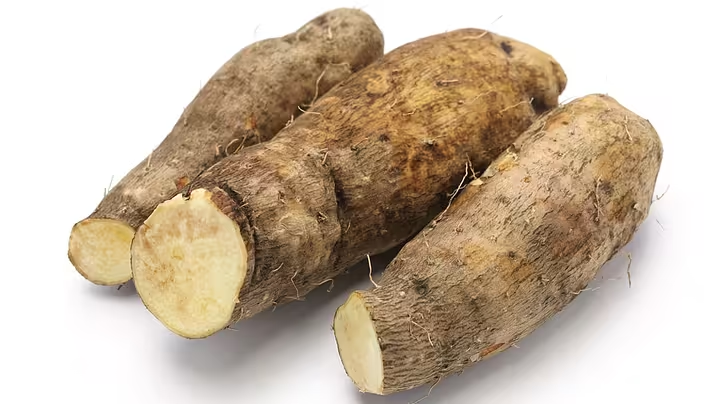
The most interesting part begins during the meal. Egusi and okra soups are never eaten with a spoon. Their constant companion is "swallow" — a dense, elastic dough made from mashed yam, cassava, or plantain.
From a large ball of dough, a small piece is pinched off with the right hand, shaped into a small indentation, as if making a tiny improvised spoon, and dipped into the thick soup. The piece of fufu captures the fibers of meat, spinach, and the nut paste of egusi, transforming into the perfect "bite." Importantly, this food is not chewed for long — it should be swallowed, enjoying how the silky soup envelops the throat.
Cultural Code in Every Bowl
For West Africans, these soups are the taste of home. They are dishes for Sunday lunches, weddings, and celebrations. Egusi is considered a more prestigious, rich soup, while okra represents daily energy and freshness. Both dishes demonstrate the incredible skill of African peoples in utilizing the resources of their land to the fullest: from yam roots to wild watermelon seeds.
Today, thanks to globalization, egusi and okra are becoming global trends. They are served in London, New York, and Paris, proving that African gastronomy is not just about spiciness, but about a complex architecture of flavors and millennia-old traditions that deserve a place in the upper echelons of world cuisine.