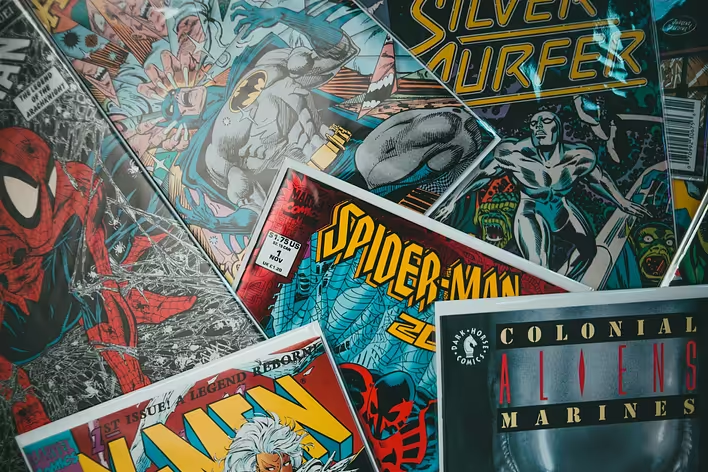



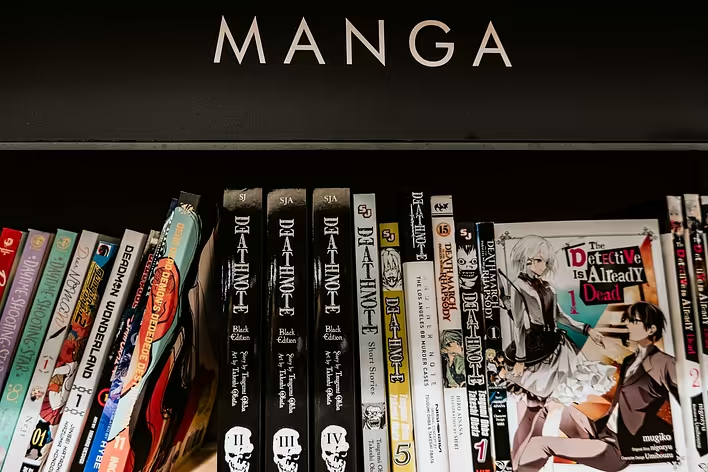
Manga is Japanese comics or graphic novels that have become an integral part of not only Japanese culture but also the global artistic landscape. It is a unique form of literary art where the story is told through a combination of text and illustrations. Manga covers a wide range of genres and themes, making it interesting for readers of all ages and tastes.
Origin and History of Manga
The word "manga" translates from Japanese as "whimsical drawings" or "free sketches." The roots of manga go back to ancient times — during the Kamakura period (13th–14th century), illustrated scrolls containing comic or satirical images existed in Japan.
Modern manga began to take shape in the second half of the 19th century when Japan opened its borders after a period of isolation and started actively borrowing Western artistic techniques. The development of manga received a significant boost after World War II from the works of masters like Osamu Tezuka — the "father of manga." His style and innovative approach set the tone for the further development of the genre, which began to rapidly evolve and gain popularity.
Manga in Modern Japanese Culture
Manga is not just entertainment. It is a cultural phenomenon that reflects the diversity of society, its problems, dreams, and aspirations. In Japan, manga enjoys immense popularity among all age groups. It is read by schoolchildren, students, adults, and sometimes even retirees.
Manga encompasses all possible genres — from romantic stories and adventure sagas to science fiction, horror, and drama. A distinctive feature of Japanese manga is the detailed artwork, attention to character psychology, and deep plots.
Most manga is published in parts in specialized magazines, after which the most popular series are released in book form.
Influence of Manga on World Culture
Thanks to translations and adaptations, manga has become popular in many countries around the world. It has inspired the creation of anime — Japanese animated series and films that have also gained recognition beyond Japan.
Manga has influenced the development of comics, illustrations, games, fashion, and even cinema worldwide. Its unique style is easily recognizable by the characteristic features of the drawings: large emotional eyes, dynamic character poses, and emotional effects that enhance the plot.
Why is Manga So Popular?
-
Diversity of genres: there is something interesting for everyone.
-
Deep stories: plots often touch on serious themes — friendship, love, struggle, morality.
-
Visual appeal: the artistic style of manga influences the reader's emotions.
-
Accessibility: manga is available in both print and digital formats.
Manga is a unique art form that combines literature and painting, allowing readers to immerse themselves in fantastic worlds and experience unforgettable stories. It not only reflects Japanese culture but also promotes its popularity worldwide. Manga continues to evolve, finding new fans and remaining an important phenomenon in modern culture.