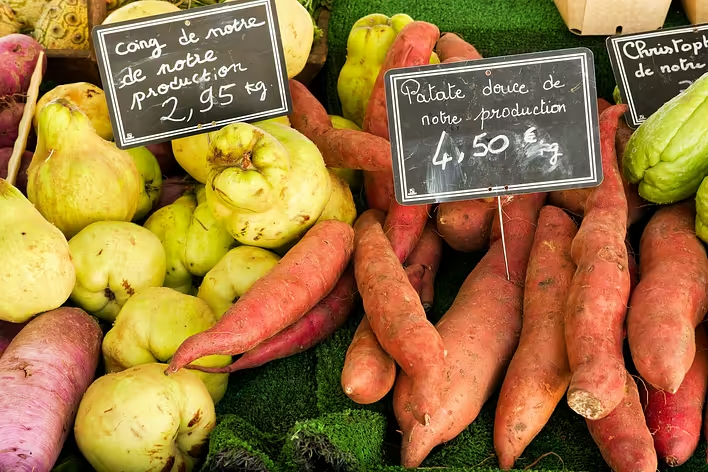
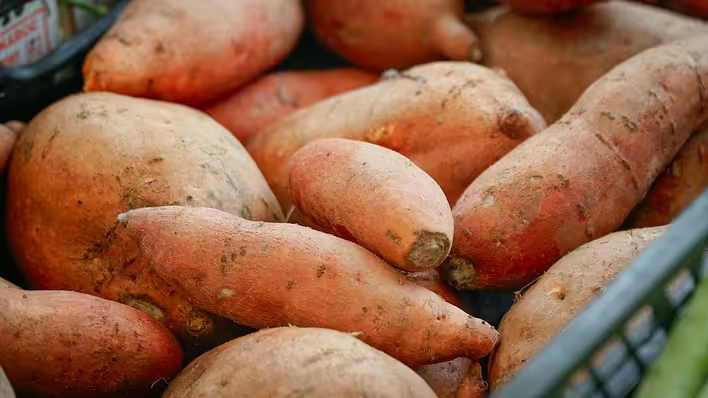
Sweet potato, which we often call "sweet potato," actually has nothing in common with regular potatoes, except for its shape and growing location. It is a perennial herbaceous vine of the morning glory family, originating from the tropical regions of Central and South America. Due to its hardiness, high nutritional value, and pleasant sweet taste, sweet potato has become one of the most important food crops on the planet, holding a prestigious place in the diets of billions of people.
Geography of cultivation: from China to the USA
Although the homeland of sweet potato is America, today China is the world leader in production volumes. There, about 80% of the world's harvest is grown. The plant loves warm and humid climates, which is why it is mass-cultivated in African countries (Nigeria, Tanzania, Uganda), where it is a staple food that saves from hunger.
In the United States, sweet potato is an integral part of cultural heritage, especially in southern states like North Carolina. In recent years, the crop has been actively conquering European fields: due to climate change, sweet potato has begun to be successfully grown in Spain, Portugal, and even in southern Ukraine. It is significantly more drought-resistant than regular potatoes, although it does not withstand frost at all.
Taste and culinary diversity
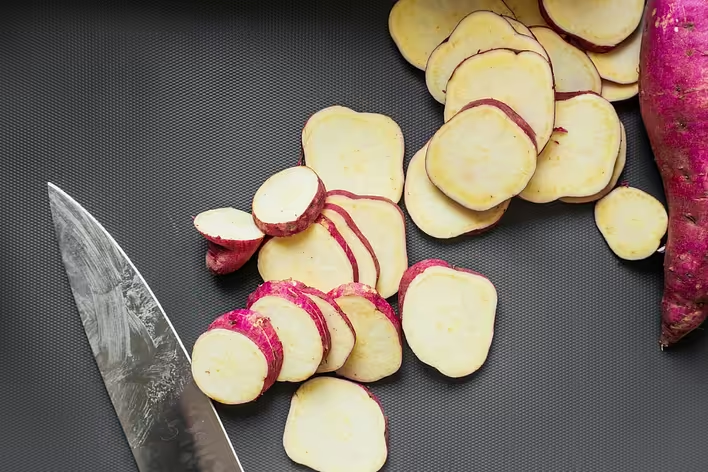
The taste of sweet potato is something between potato, pumpkin, and carrot, sometimes with a slight nutty flavor. Its flesh can be white, yellow, orange, or even purple, depending on the variety. This diversity allows sweet potato to be used in an incredible number of dishes:
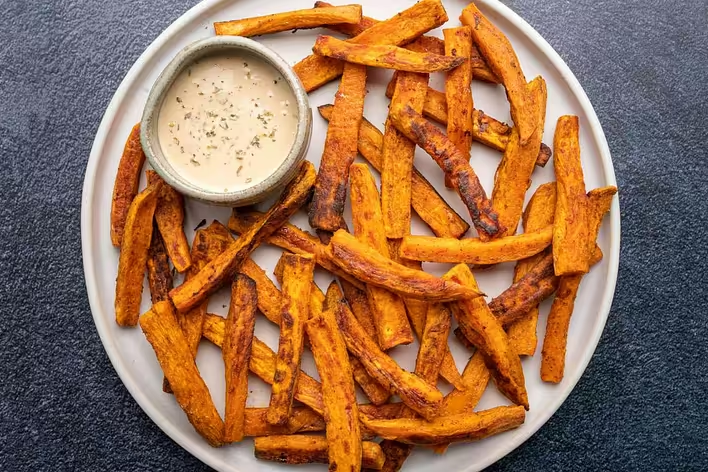
US classics: It is impossible to imagine Thanksgiving without sweet potato casserole, which is often topped with a layer of marshmallows. Also extremely popular is "sweet potato fries" — a sweet alternative to French fries, served with aioli sauce.
African and Caribbean traditions: Here, sweet potato is often baked whole in ashes, added to thick meat stews, or turned into flour for making nutritious cakes.
Asian desserts: In Japan and Korea, sweet potato is adored as an independent dessert. Baked root (yaki-imo) is sold as street food. It is also made into transparent noodles for the famous Korean dish "japchae."
Modern cuisine: Vegan and fitness menus offer sweet potato toasts (instead of bread), cream soups with ginger and coconut milk, as well as healthy chips.
Interesting facts
In addition to culinary advantages, sweet potato has several amazing features that distinguish it from other vegetables:
Flowering vine: Unlike potatoes, which bloom with small flowers, sweet potato is a relative of garden morning glory. Its flowers look like large delicate pink or purple "gramophones," making sweet potato plantations extraordinarily beautiful.
Giant sizes: The Guinness World Records recorded a case where one sweet potato root weighed over 37 kilograms. Of course, in stores we see much smaller fruits, but the growth potential of this plant is impressive.
Everything is edible: In many countries, not only the roots but also the young leaves and shoots of sweet potato are consumed. They taste similar to spinach and contain a huge amount of antioxidants.
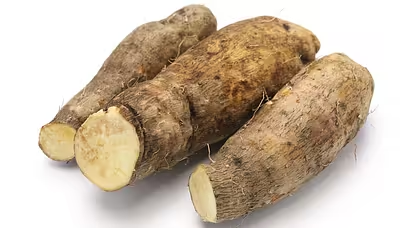
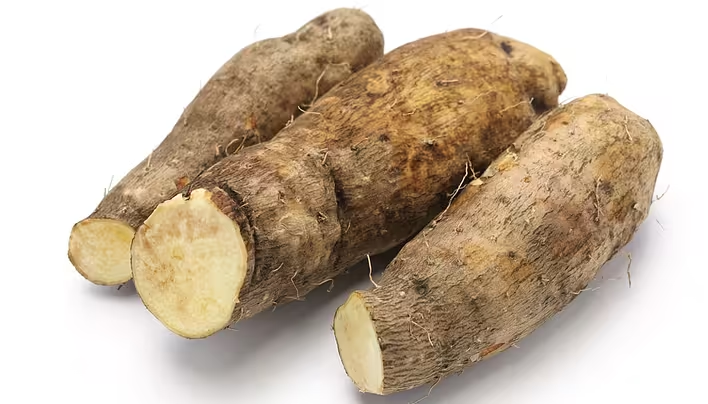
The name matters: In many languages around the world, the name sweet potato is often confused with "yam," but these are two completely different plants. True yam is a much larger and drier root, primarily grown in Africa.
Sweet potato is valued for its low glycemic index and high content of vitamin A, potassium, and fiber. This is a rare case where a product is simultaneously filling, healthy, and suitable for both main dishes and exquisite desserts.