




The antagonist is a character or force that opposes the main hero (protagonist) in a work. It can be a person, a group of people, a natural force, or even an internal conflict within the hero themselves. The antagonist is one who creates obstacles in the path to the protagonist's goal.
For example, in classic fairy tales, the dragon guarding the princess in the tower serves as the antagonist. In modern stories, it may not only be a specific person but also a system or idea that the hero fights against.
Why is the antagonist important?
-
Creates tension: Without conflict, the story would be bland. The antagonist adds drama and makes the plot interesting.
-
Reveals the hero's character: Conflicts with the antagonist often force the hero to show their best (or worst) qualities.
-
Provides plot development: The confrontation between the antagonist and the protagonist drives the storyline forward.
Types of antagonists
There are many types of antagonists, each adding their unique flavor to the story:
-
Personal antagonist: This is a specific person or character. For example, Lex Luthor in superhero comics about Superman.
-
Systemic antagonist: This can be an organization or society as a whole. An example might be the dystopian government in George Orwell's “1984”.
-
Natural antagonist: Nature itself can become the hero's enemy, as in Ernest Hemingway's novel “The Old Man and the Sea”.
-
Internal antagonist: These are the hero's internal fears or weaknesses. For example, Harry Potter's doubts about his destiny.
Examples of famous antagonists
-
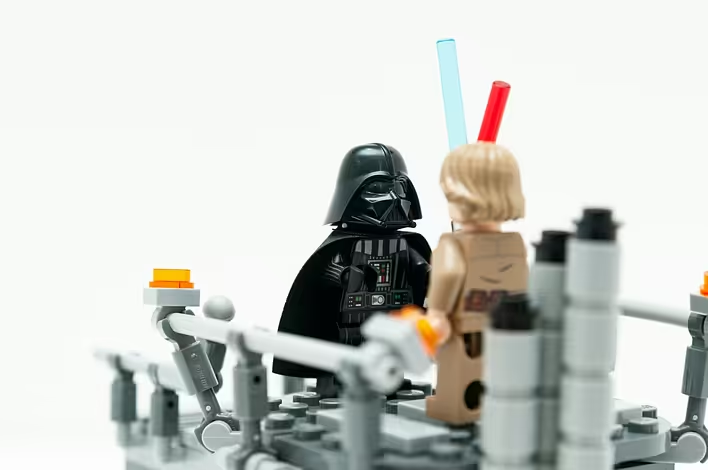
Darth Vader from “Star Wars” — a great example of a multi-layered character with complex motives.
-
Lady Macbeth from William Shakespeare's play “Macbeth” — demonstrates the internal conflict between ambition and morality.
-
Voldemort from the Harry Potter series — a classic example of a personal antagonist with a clear goal and deep character.
So, as you can see, without the antagonist, the story would lose its spice and flavor. The antagonist is not just an enemy or obstacle; they are an essential part of any plot. Thanks to them, we can better understand the heroes and ourselves. So next time you read a book or watch a movie, pay attention to how the antagonist shapes the story. It may open up a new perspective on a familiar world!