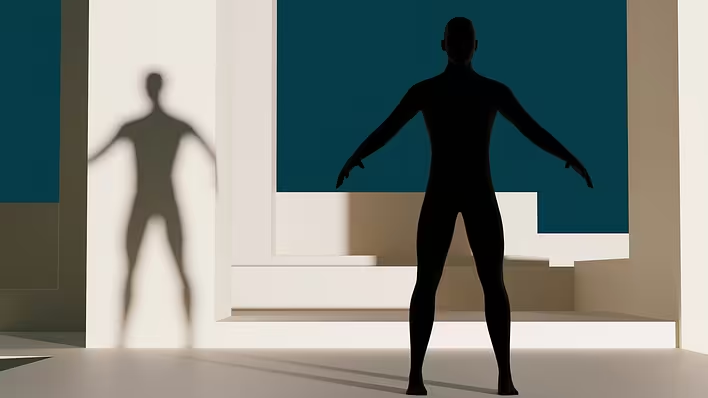



Reflection is like a mirror for your soul that helps you better understand yourself and your actions. Imagine having a conversation with yourself, trying to find answers to questions like: “What am I feeling?” or “Why did I act this way?” It’s not just a thinking process, but a deep dive into your own thoughts and emotions. Reflection is an important component of psychology that helps us grow and become better versions of ourselves.
What is reflection in simple terms?
So, reflection in simple terms is the ability to analyze your thoughts, feelings, and actions. It’s like watching a movie about your life and drawing conclusions. To reflect is not just to think about yourself, but also to become aware of your emotional reactions and their causes.
Types of reflection
There are several types of reflection, each of which helps in different aspects of life:
-
Personal reflection: Focuses on personal feelings and experiences. For example, you might ponder why you feel joy or sadness after a certain event.
-
Social reflection: This is the analysis of your interactions with other people. You might think about why a conflict situation arose with a colleague and how to resolve it.
-
Professional reflection: Used to evaluate your career and professional development. You might ask yourself: “What skills do I need to improve?”
Reflection in psychology
Reflection in psychology is a tool for self-discovery and self-development. It helps people better understand their internal processes and emotional reactions. Psychologists often use reflection when working with clients to help them realize the reasons for their problems and find ways to solve them.
Examples of reflection
To better understand what reflection is, let’s consider a few examples:
-
Morning meditation: You sit in silence and think about what troubles or inspires you. This helps start the day with a clear mind.
-
Gratitude journal: Every evening, you write down three things you are grateful for. This promotes positive thinking and increases happiness levels.
-
Assessment of your achievements: At the end of the week, you summarize your successes and failures. This helps you understand what works well and what needs improvement.
How to develop reflection skills?
Developing reflection skills can be a powerful tool in your life. Here are a few tips:
-
Find time for yourself: Set aside at least 10 minutes a day for self-reflection. This could be during your morning coffee or an evening walk.
-
Keep a journal: Write down your thoughts and feelings. This will help structure your experiences and understand them better.
-
Ask open-ended questions: Ask yourself “why?” and “how?”. This stimulates deeper thinking and helps uncover hidden answers.
Reflection is not just about psychology; it’s about life in general. It allows us to be more aware and harmonious individuals. So, don’t be afraid to look inside yourself — you might find a lot of interesting things there!